9 September 2026
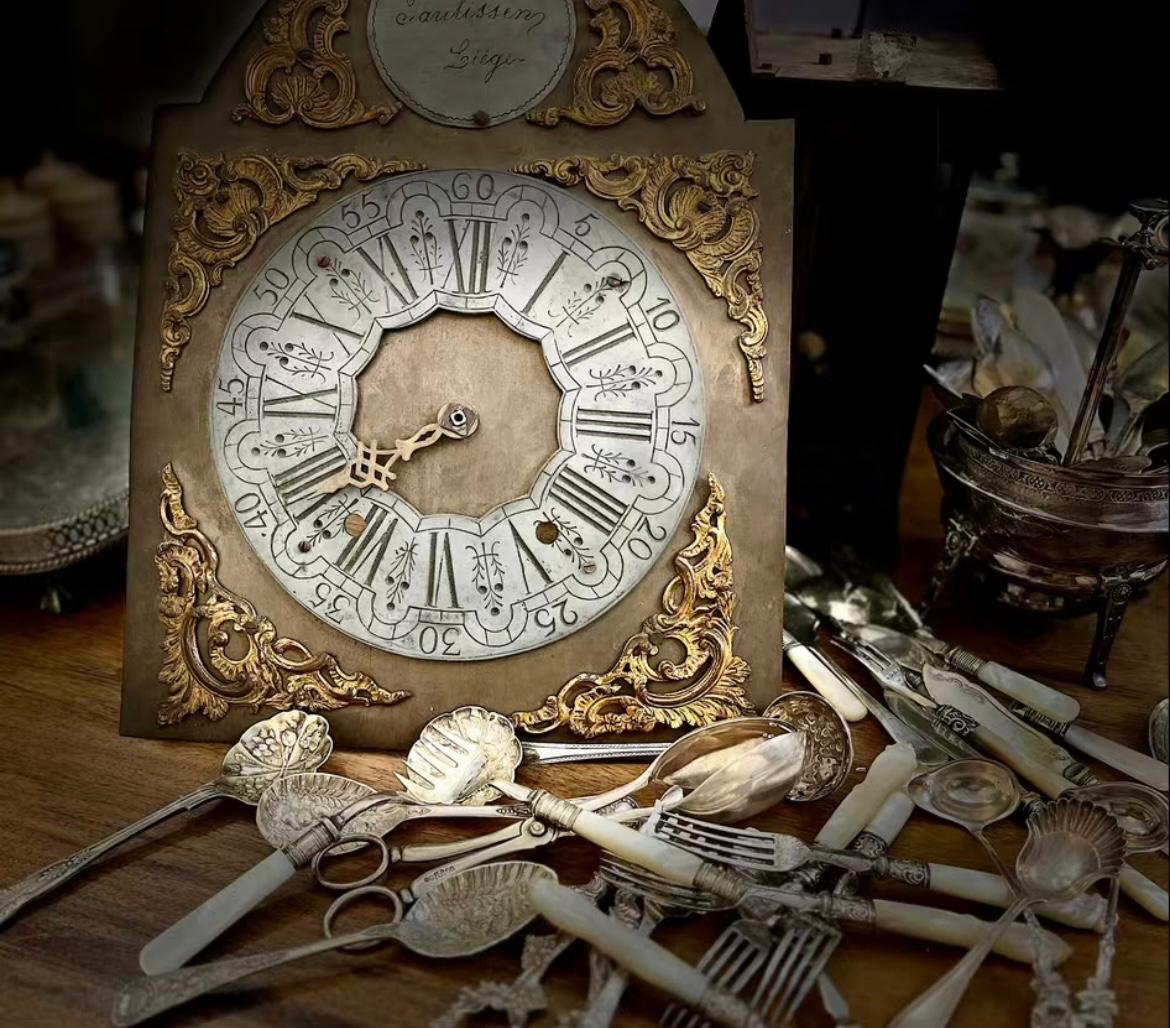
What Things Stay Silent About (In Place of a Foreword)
A foreword to "Secrets of Hallmarks and Time": learning to read history through hallmarks, engravings, and signatures on antique objects.
12 September 2026
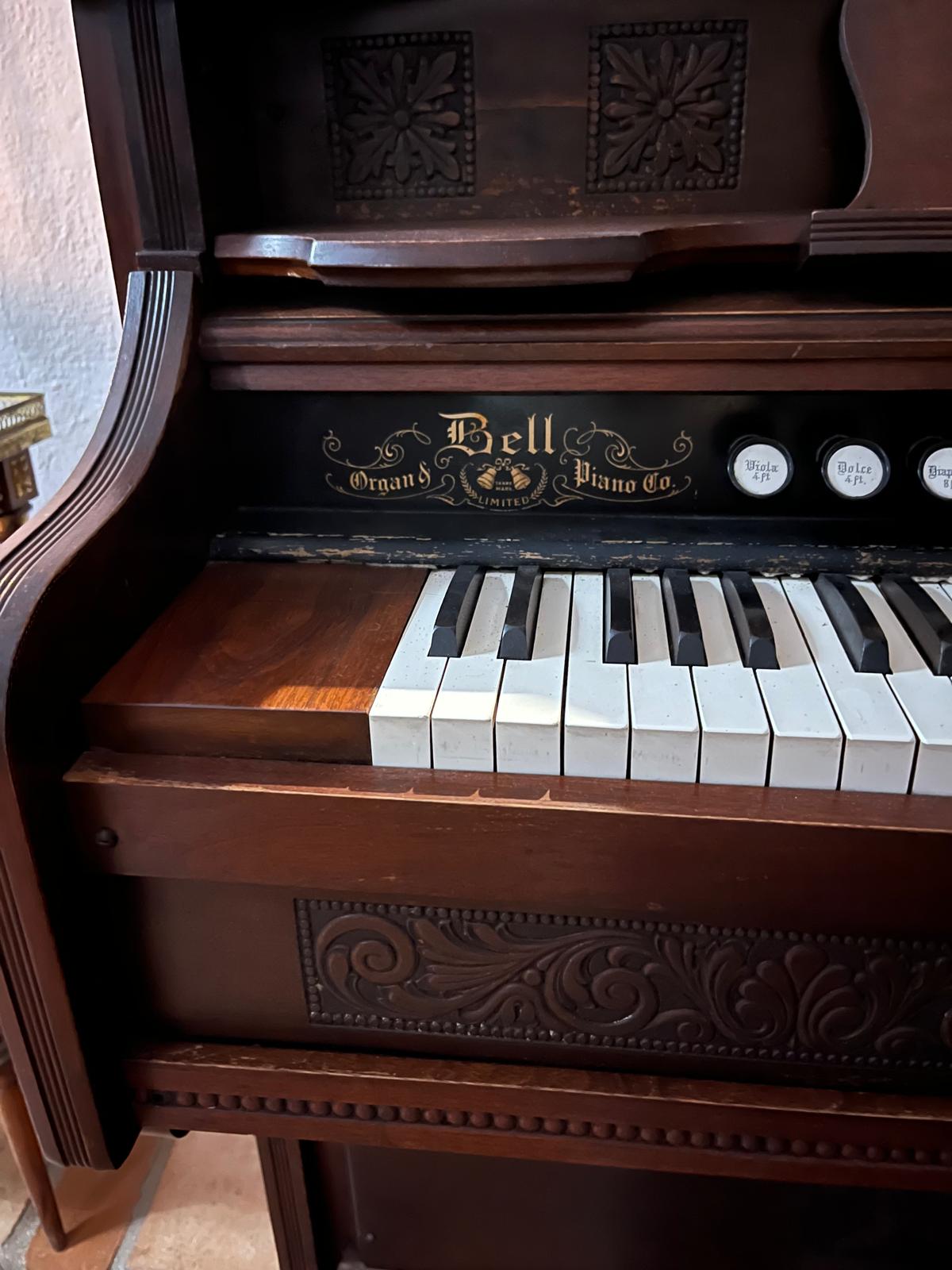
A Voice from Ontario: The Bell Harmonium and the 1887 Patent
The "Bell Organ & Piano Co." nameplate and an 1887 patent for a mouse-proof pedal: what the harmonium in our Home reveals about the Victorian era.
17 September 2026
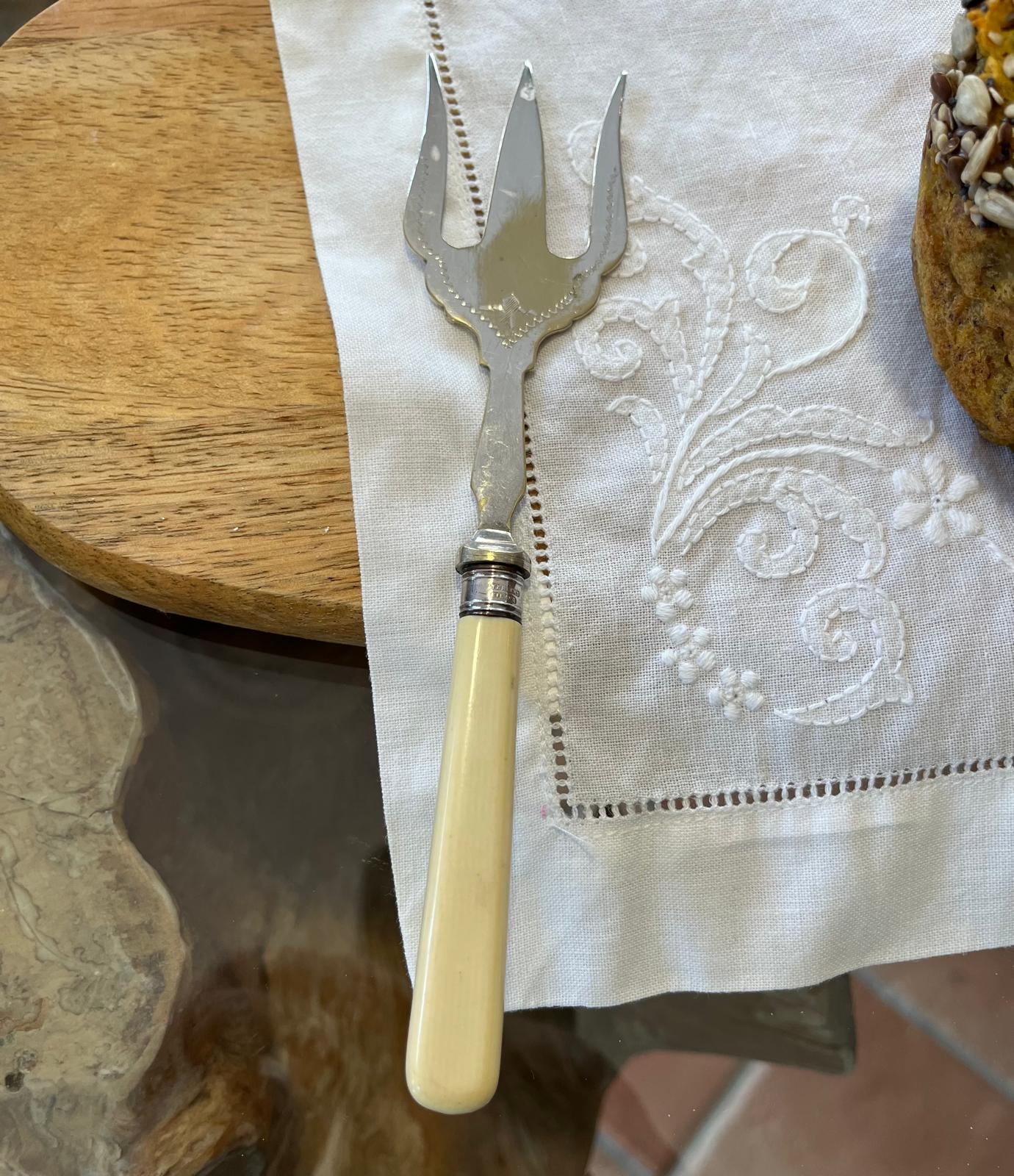
A Sheffield Utensil for a Sacred Food (The Fork’s Story)
The STERLING SILVER mark on a Sheffield bread fork’s ferrule — and what it reveals about Edwardian etiquette and status.
21 September 2026
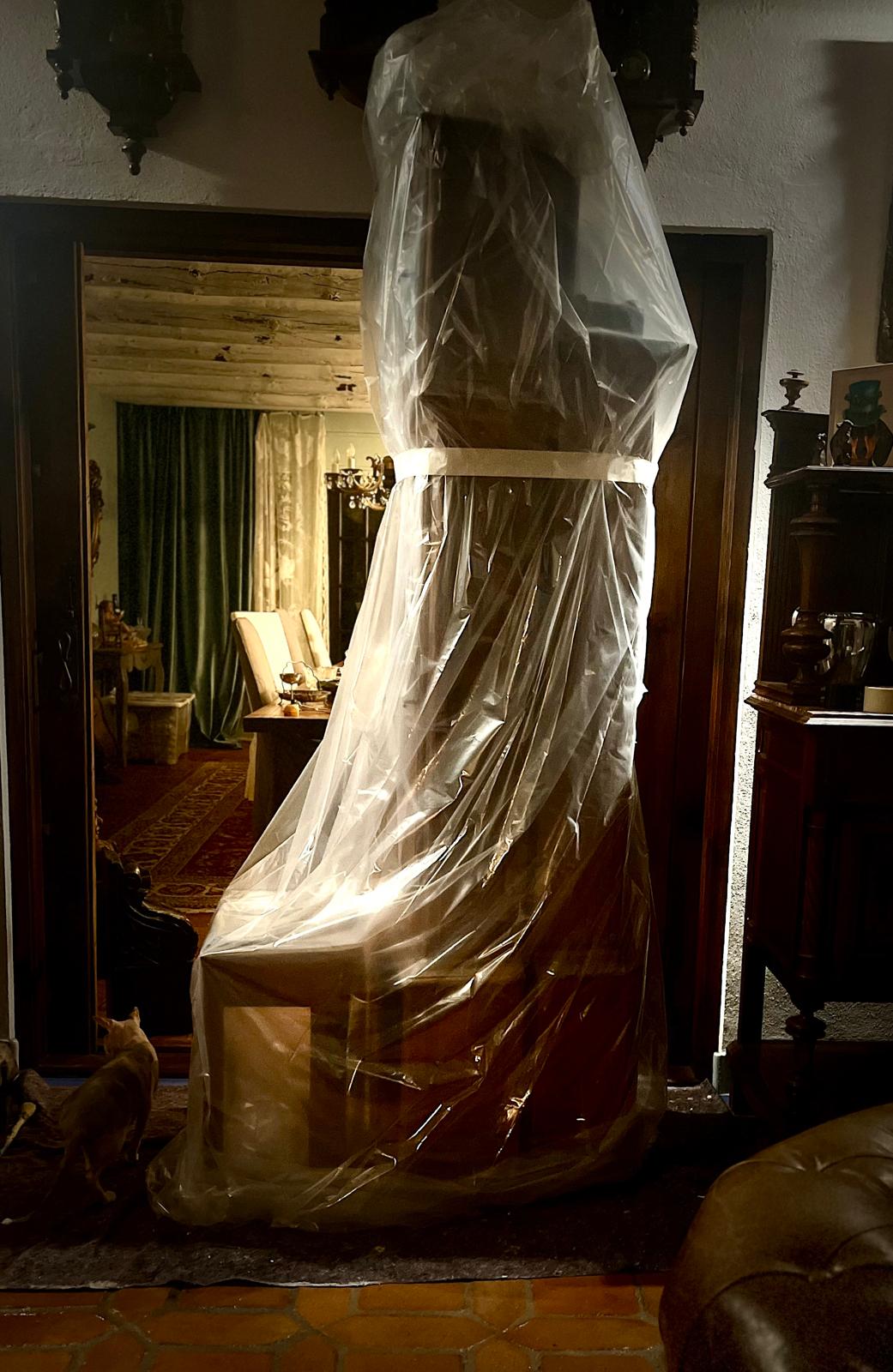
The Anatomy of Time: A Short Guide to Conserving Antique Grandfather Clocks
A theoretical introduction for collectors. A professional code for rescuing clocks 200–300 years old: from total dry cleaning and fumigation against woodworm to preserving hidden inscriptions.
26 September 2026
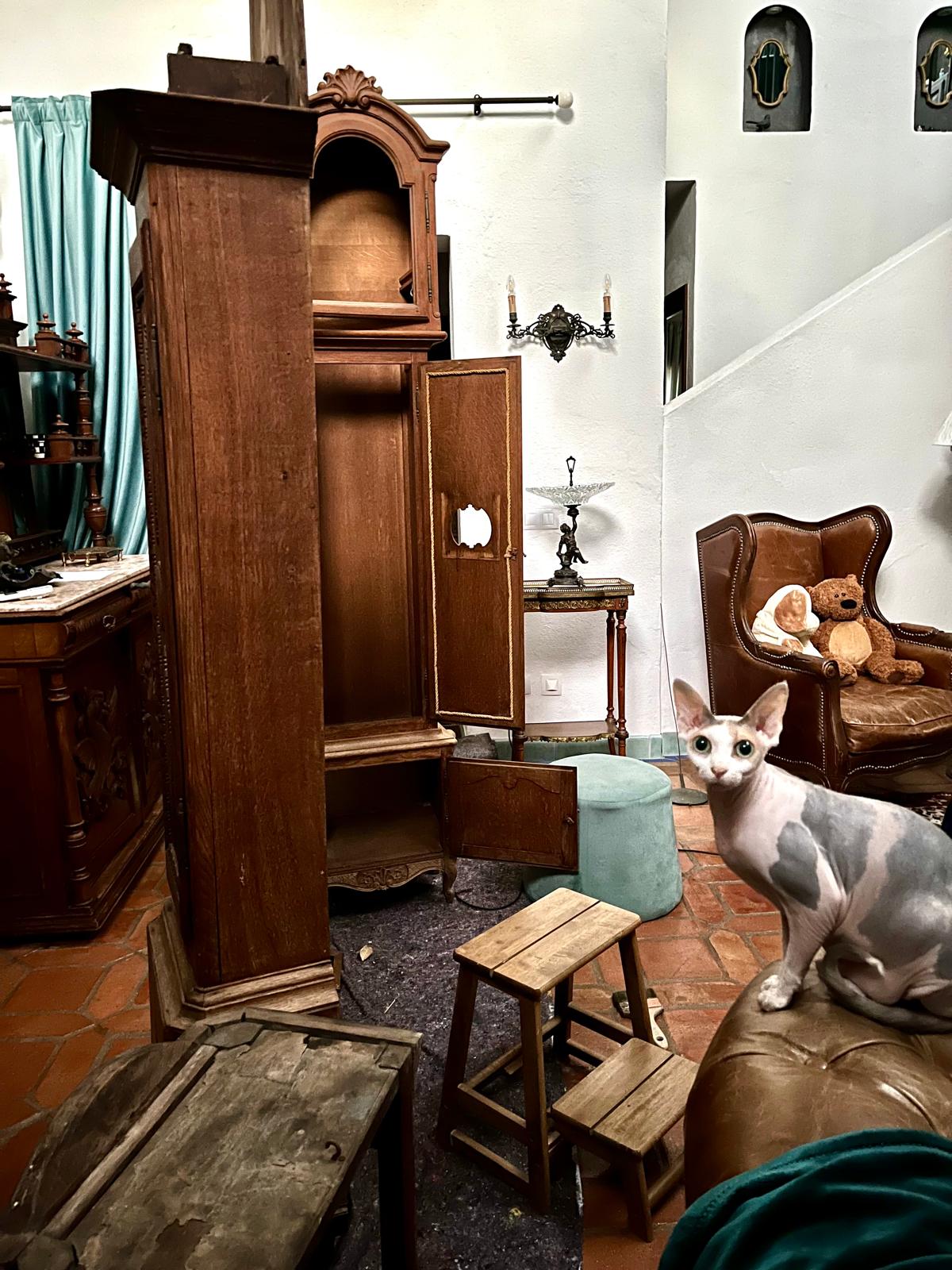
Part 1. The Secret Codes of Liège: Chalk Autographs, Flemish Labels, and a Shell of Soot
The first chapter of the Paulissen 1774 restoration diary: decoding chalk autographs left by traveling clockmakers, a mysterious Flemish label on the hood’s shutter, and solving the mystery of a century-old shell of soot inside the hood.
28 September 2026
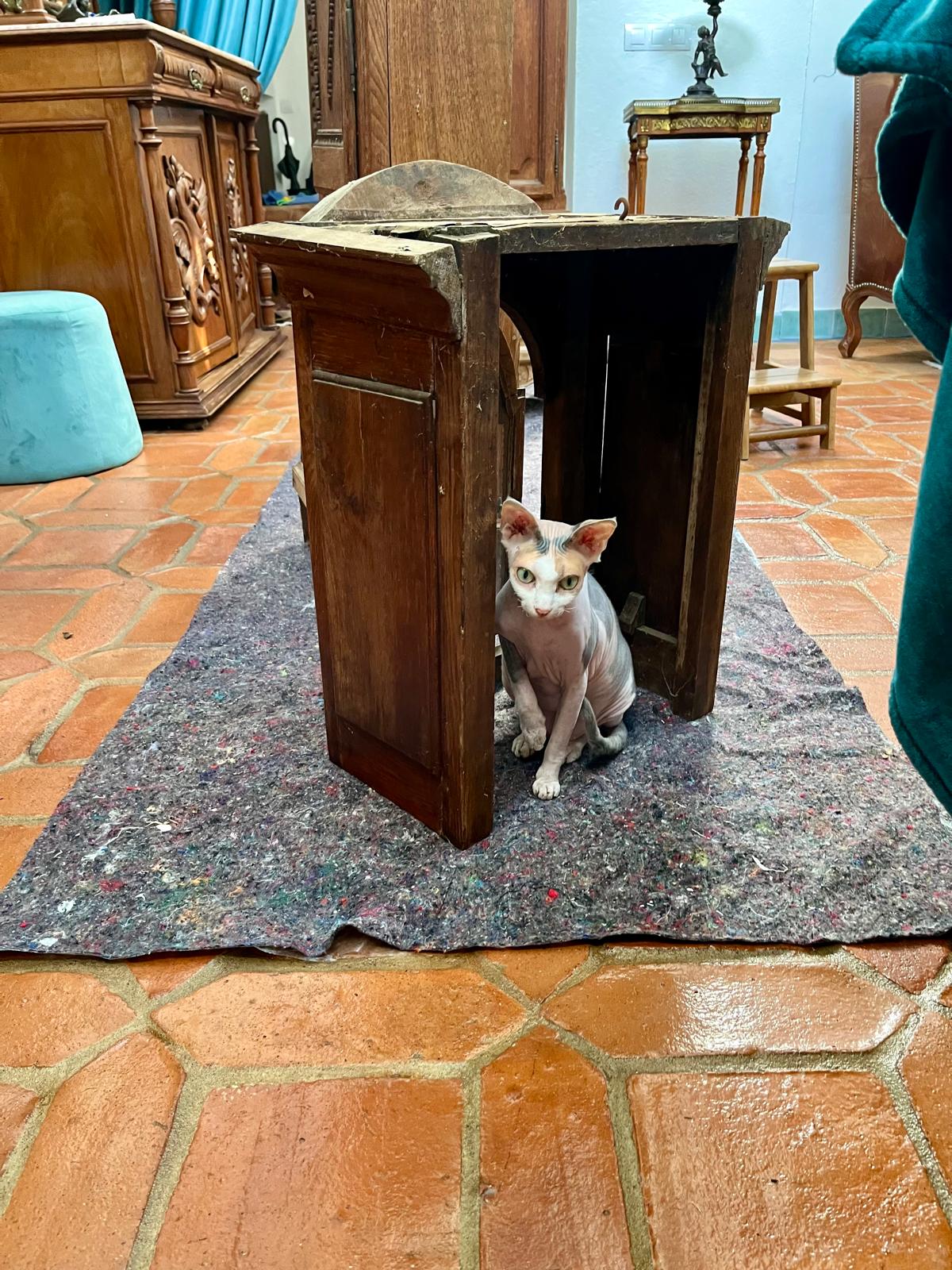
Part 2. Surgery on the Hood: From a «Dirty Rebellion» to the Maker’s Mark
A hands-on, step-by-step restoration diary for the hood of an antique 1774 Paulissen grandfather clock. How we dealt with bubbling grime, rebuilt a stainless-steel hood latch, and sealed century-old cracks with alcohol-soaked kraft paper.
12 October 2026
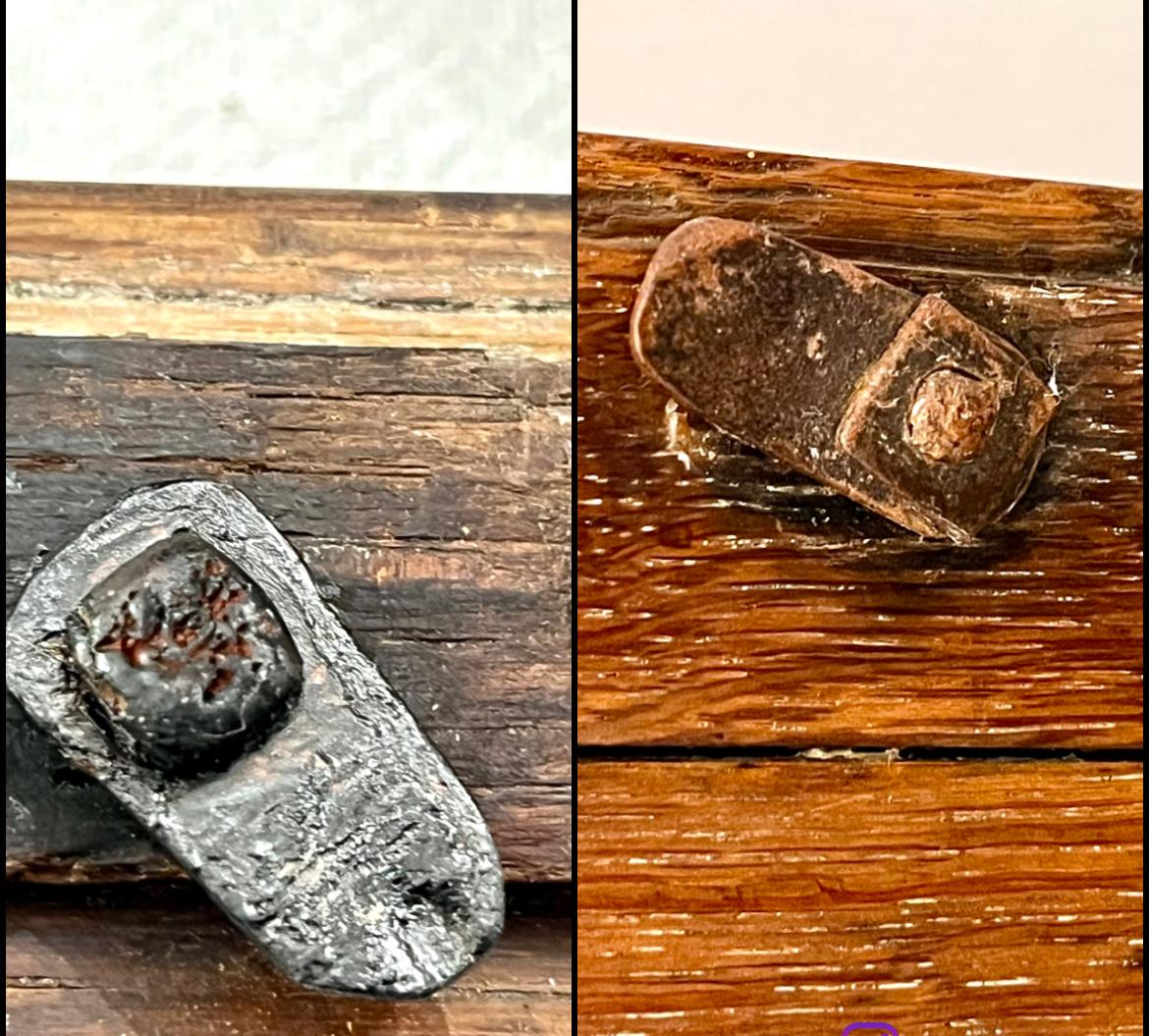
Part 3. The Genetic Code of Restoration: How Engineering Intuition Echoed Baroque Mechanics
An uncanny case from the restoration bench — engineering logic and the laws of materials rebuilt a lost Baroque door-latch for a 1774 Paulissen clock, down to a 100% match with a surviving historical original found by pure chance.
14 October 2026
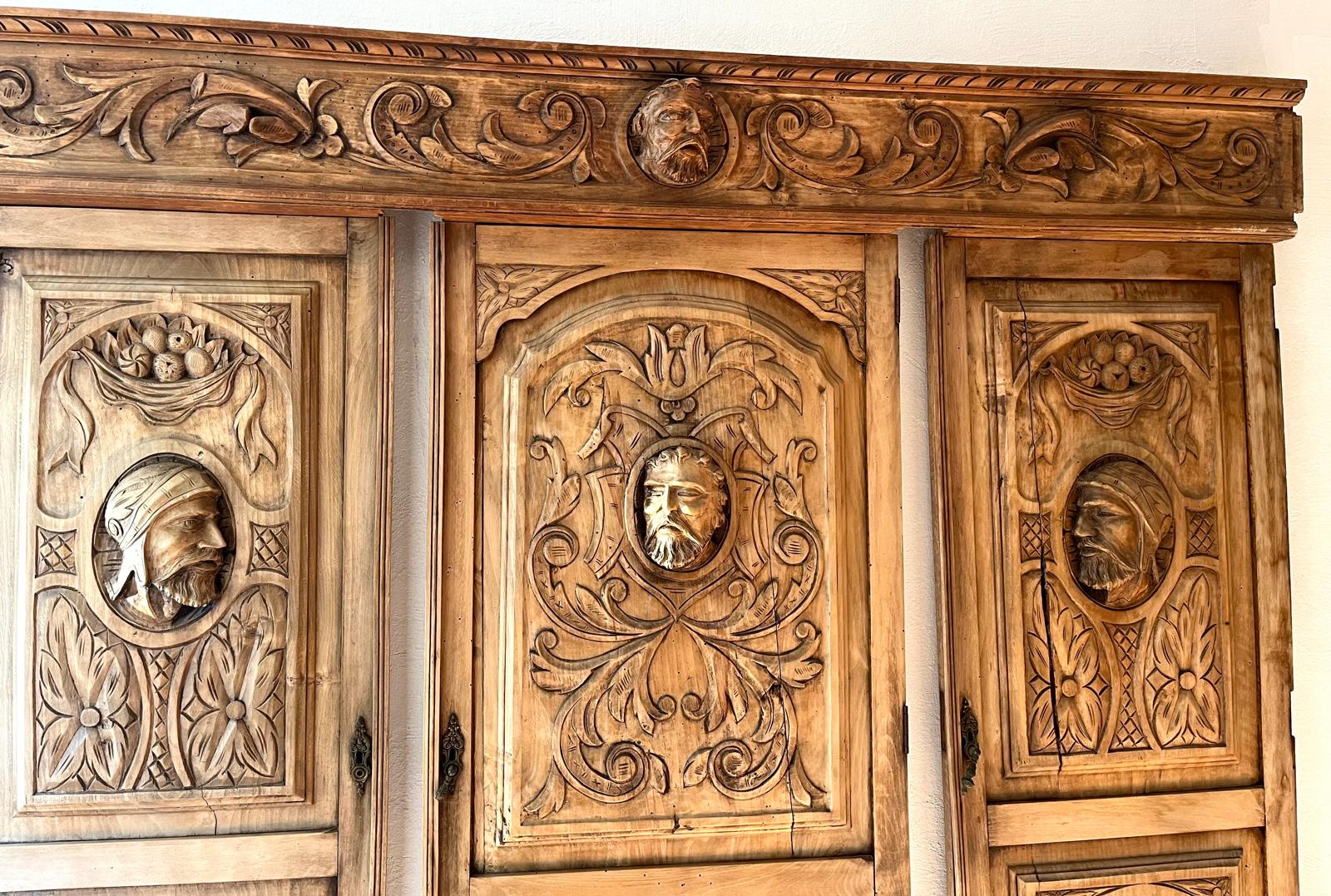
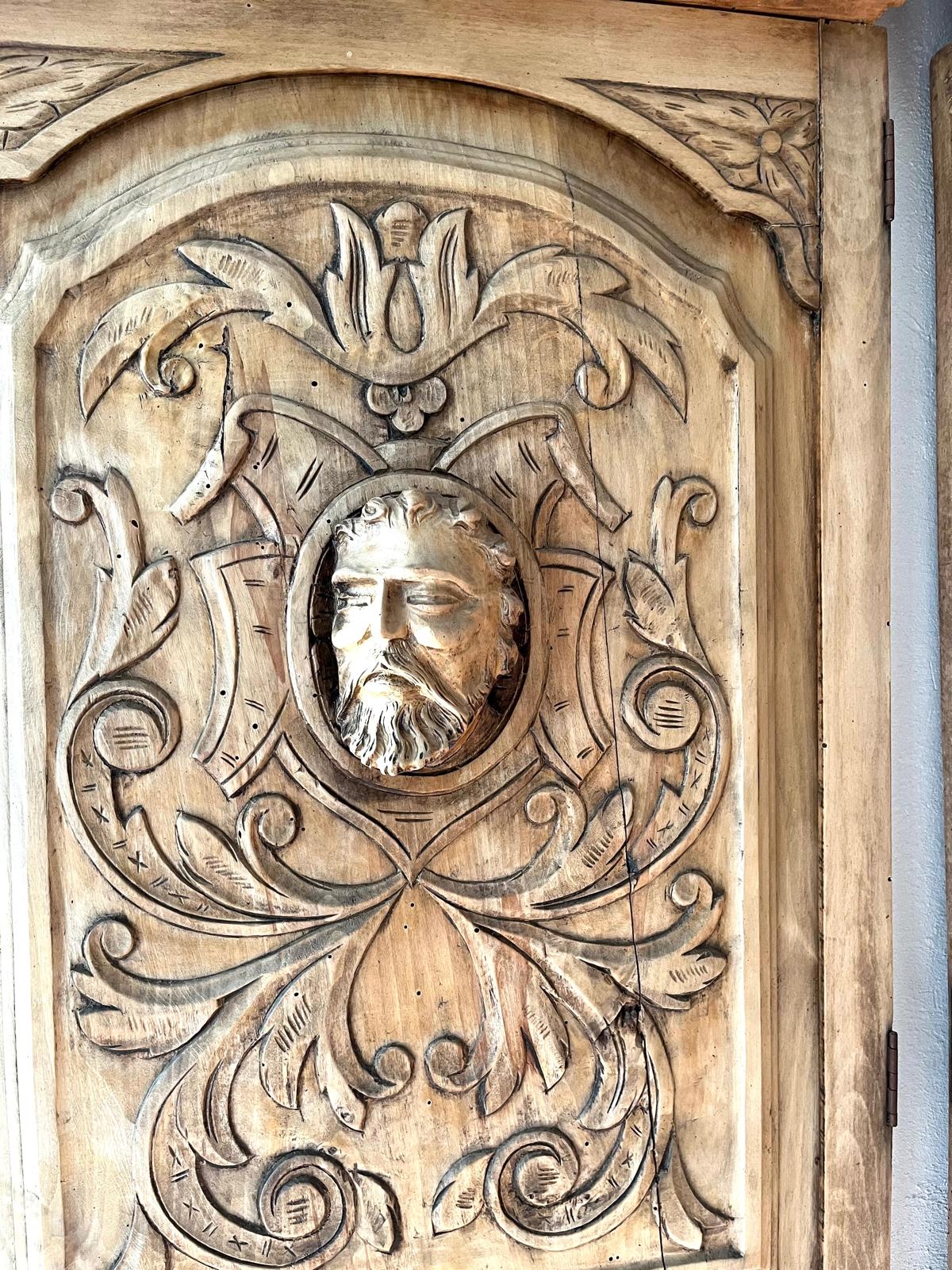
Washing Away Centuries of Soot: A Flemish Renaissance, an Ammonia Explosion, and the Secrets of Oak Relief Carvings
A restoration chronicle about saving three carved oak Flemish Renaissance panels and their cornice — how an ammonia solution dissolved a century-old sulfur crust, and what the carvings’ art-historical analysis revealed about their Flemish makers.
14 October 2026
The Code of Rubens in Oak: An Art-Historical Investigation into the Style of the Flemish Relief Carvings
The second chapter of our art-historical investigation into the carved oak panels: a comparative analysis against Hans Vredeman de Vries’ ornamental albums, and a final attribution of the piece to the Flemish Baroque school of Rubens.
15 October 2026
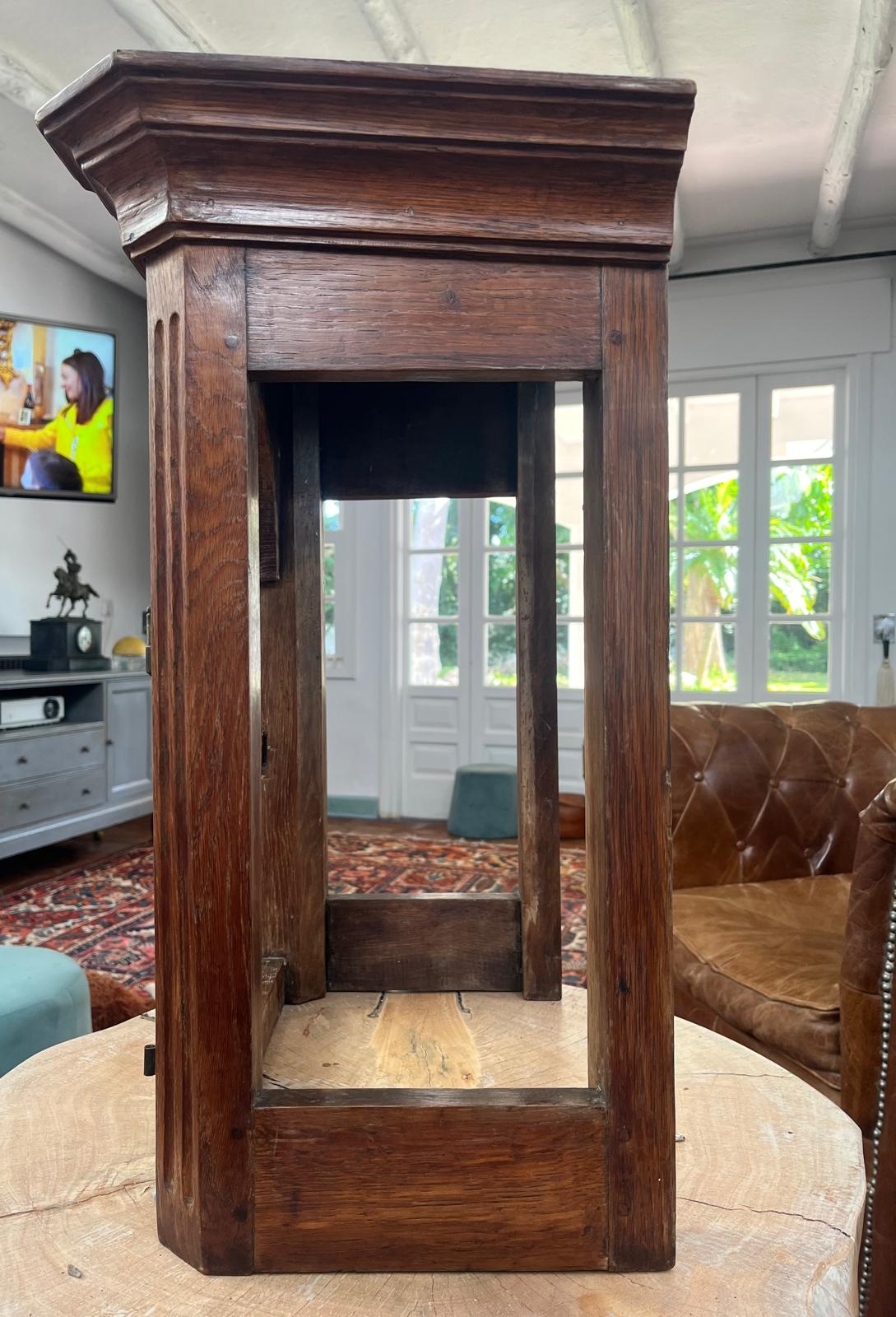
Part 4. The Geometry of Deception and Hidden Axes: Solving the Tilted Cornice and the Pin Hinges of the Paulissen 1774
The fourth part of the restoration diary of the Paulissen 1774 grandfather clock: unraveling the deliberate forward tilt of its cornice, dictated by Baroque perspective, and the ingenious construction of its removable Lift-Off pin hinges.
14 October 2026
The Code of Rubens in Oak: An Art-Historical Investigation into the Style of the Flemish Relief Carvings
The second chapter of our art-historical investigation into the carved oak panels: a comparative analysis against Hans Vredeman de Vries’ ornamental albums, and a final attribution of the piece to the Flemish Baroque school of Rubens.
14 October 2026
Washing Away Centuries of Soot: A Flemish Renaissance, an Ammonia Explosion, and the Secrets of Oak Relief Carvings
A restoration chronicle about saving three carved oak Flemish Renaissance panels and their cornice — how an ammonia solution dissolved a century-old sulfur crust, and what the carvings’ art-historical analysis revealed about their Flemish makers.
12 October 2026
Part 3. The Genetic Code of Restoration: How Engineering Intuition Echoed Baroque Mechanics
An uncanny case from the restoration bench — engineering logic and the laws of materials rebuilt a lost Baroque door-latch for a 1774 Paulissen clock, down to a 100% match with a surviving historical original found by pure chance.
28 September 2026
Part 2. Surgery on the Hood: From a «Dirty Rebellion» to the Maker’s Mark
A hands-on, step-by-step restoration diary for the hood of an antique 1774 Paulissen grandfather clock. How we dealt with bubbling grime, rebuilt a stainless-steel hood latch, and sealed century-old cracks with alcohol-soaked kraft paper.
26 September 2026
Part 1. The Secret Codes of Liège: Chalk Autographs, Flemish Labels, and a Shell of Soot
The first chapter of the Paulissen 1774 restoration diary: decoding chalk autographs left by traveling clockmakers, a mysterious Flemish label on the hood’s shutter, and solving the mystery of a century-old shell of soot inside the hood.
21 September 2026
The Anatomy of Time: A Short Guide to Conserving Antique Grandfather Clocks
A theoretical introduction for collectors. A professional code for rescuing clocks 200–300 years old: from total dry cleaning and fumigation against woodworm to preserving hidden inscriptions.
17 September 2026
A Sheffield Utensil for a Sacred Food (The Fork’s Story)
The STERLING SILVER mark on a Sheffield bread fork’s ferrule — and what it reveals about Edwardian etiquette and status.
12 September 2026
A Voice from Ontario: The Bell Harmonium and the 1887 Patent
The "Bell Organ & Piano Co." nameplate and an 1887 patent for a mouse-proof pedal: what the harmonium in our Home reveals about the Victorian era.
9 September 2026
What Things Stay Silent About (In Place of a Foreword)
A foreword to "Secrets of Hallmarks and Time": learning to read history through hallmarks, engravings, and signatures on antique objects.