17 September 2026
Secrets of Hallmarks and TimeA Sheffield Utensil for a Sacred Food (The Fork’s Story)
A Sheffield Utensil for a Sacred Food (The Fork’s Story)
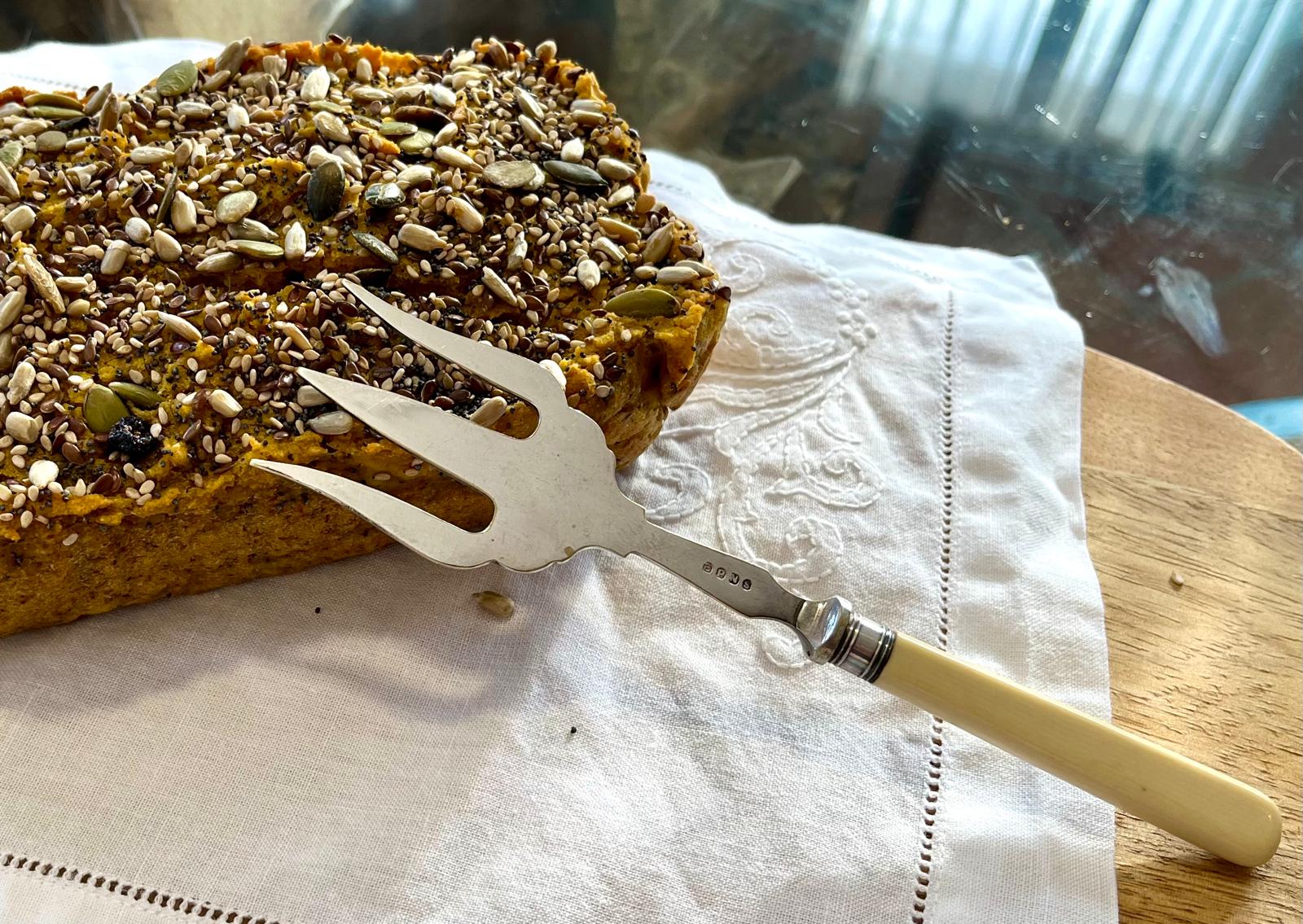
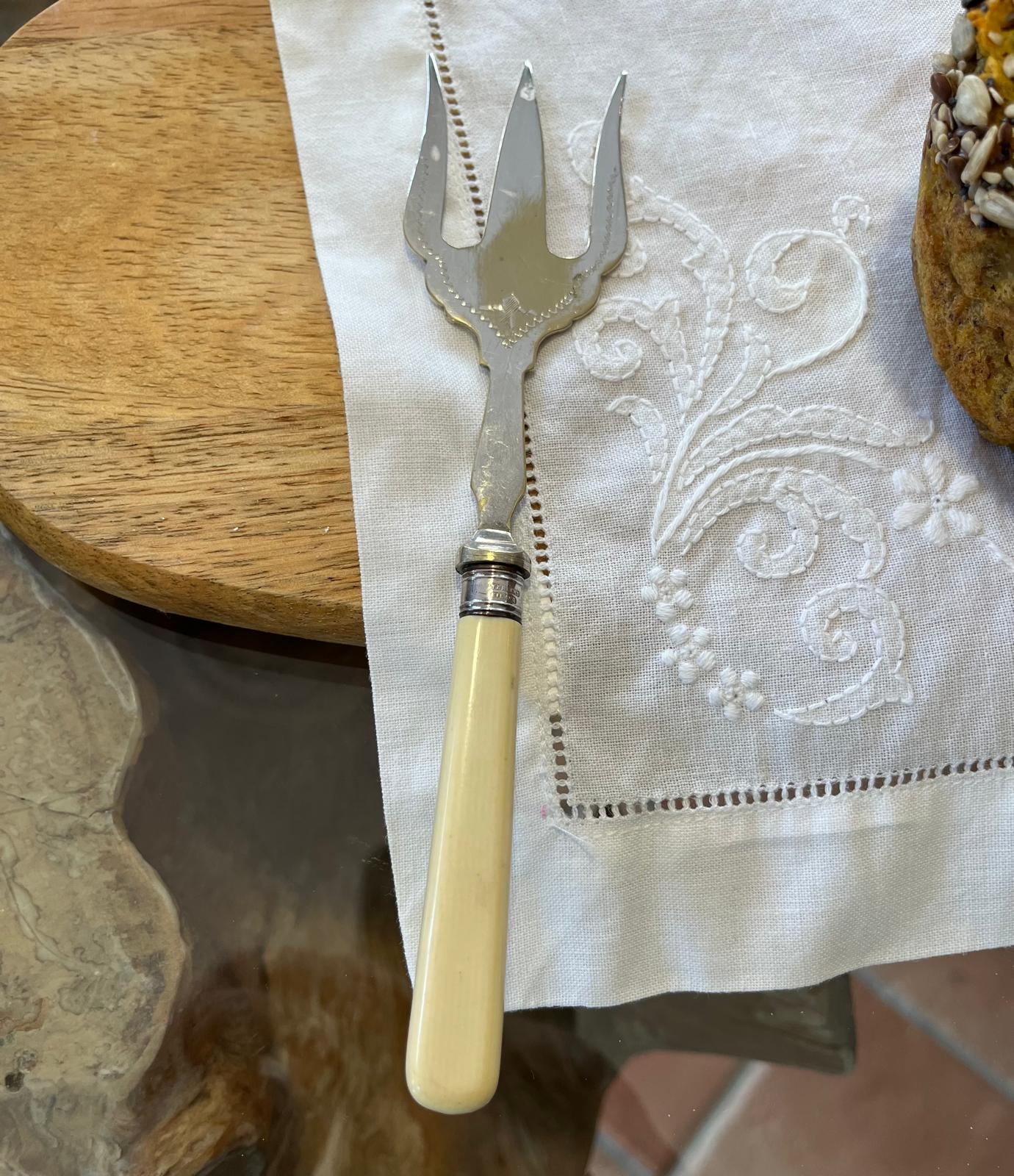
In our family’s collection of antique Victorian- and Edwardian-era silverware are objects that surprise a modern person with how narrowly specialized they are. One such working exhibit is an elegant three-tined fork with a handle of natural ivory, which today serves homemade bread at the table.
👑 Victorian Table Etiquette: Why Not by Hand?
In early 20th-century Britain, bread was considered a deeply respected, almost sacred food. In wealthy households, a strict gastronomic etiquette prevailed. Taking bread by hand from the shared basket or shared plate at the table was considered the height of bad manners and a grave sign of disrespect toward one’s guests. Touching someone else’s food with your fingers simply wasn’t allowed.
It was precisely for this that British silversmiths in Sheffield and Birmingham created special bread forks. They always differed from ordinary dinner forks: they had three (more rarely four) broad, flat, slightly curved tines, often decorated with elegant floral engraving. This shape let you neatly lift a slice without breaking or crumbling its tender crumb.
🔍 The Secret of the Sterling Silver Ring
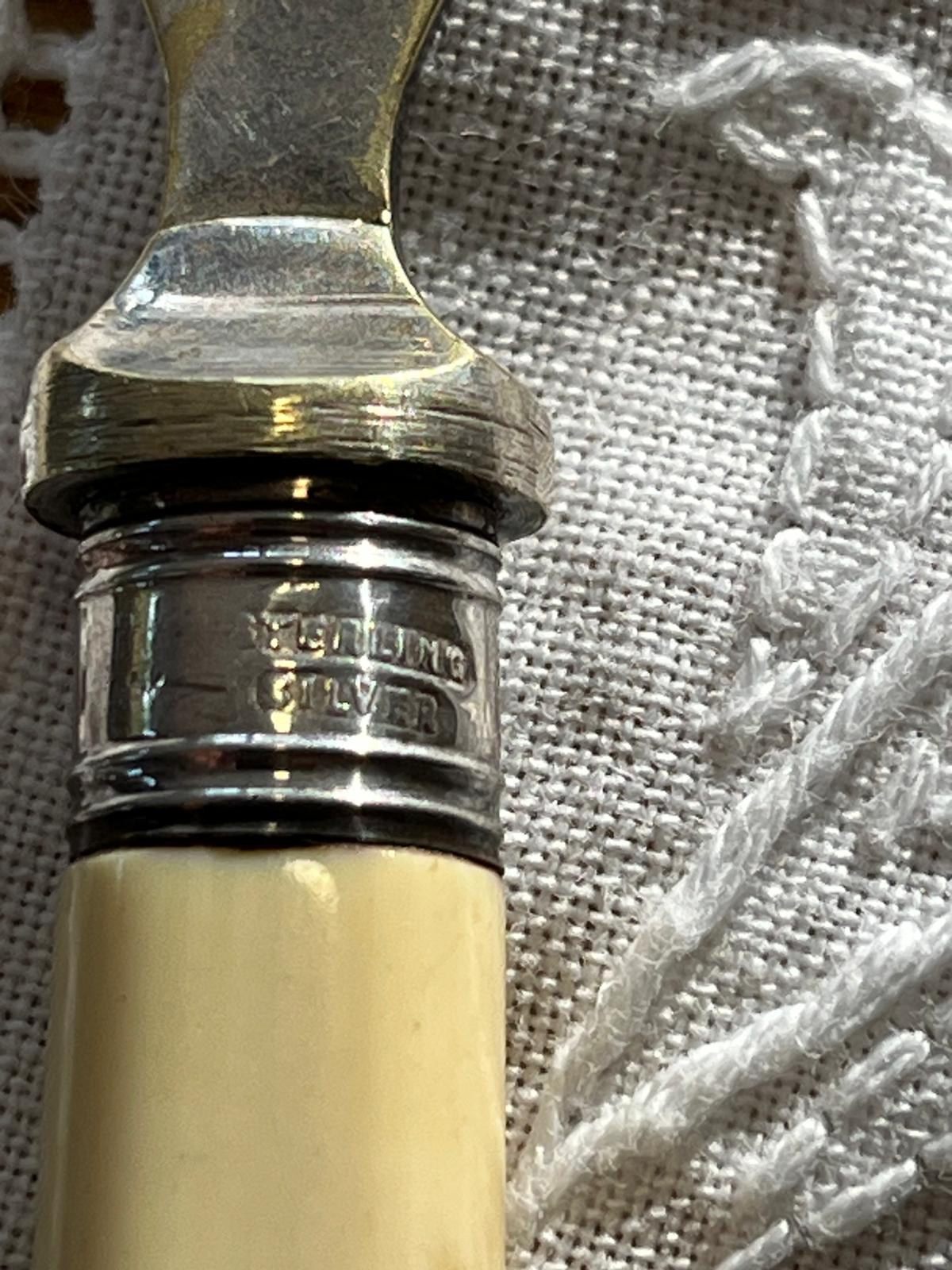
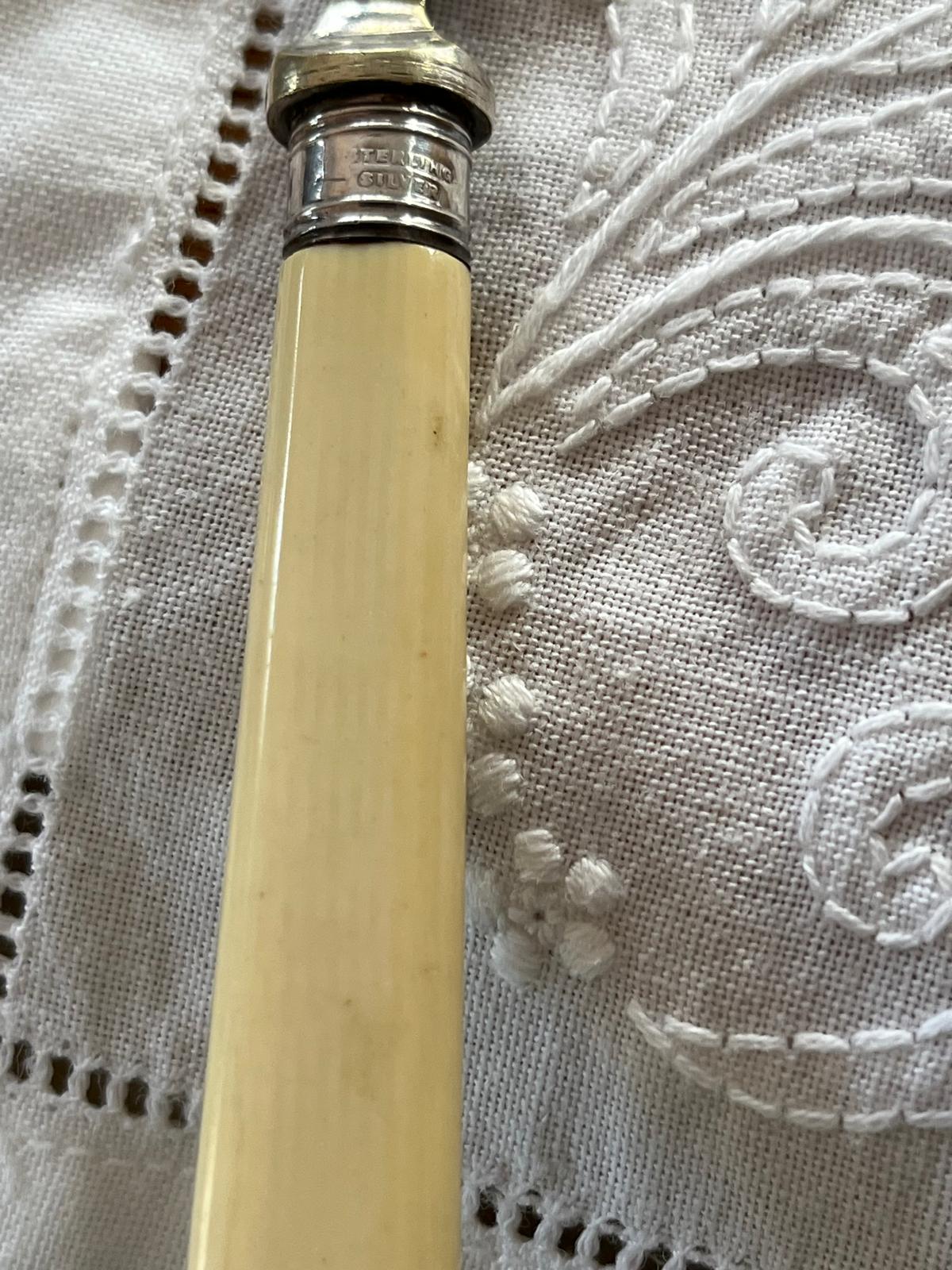
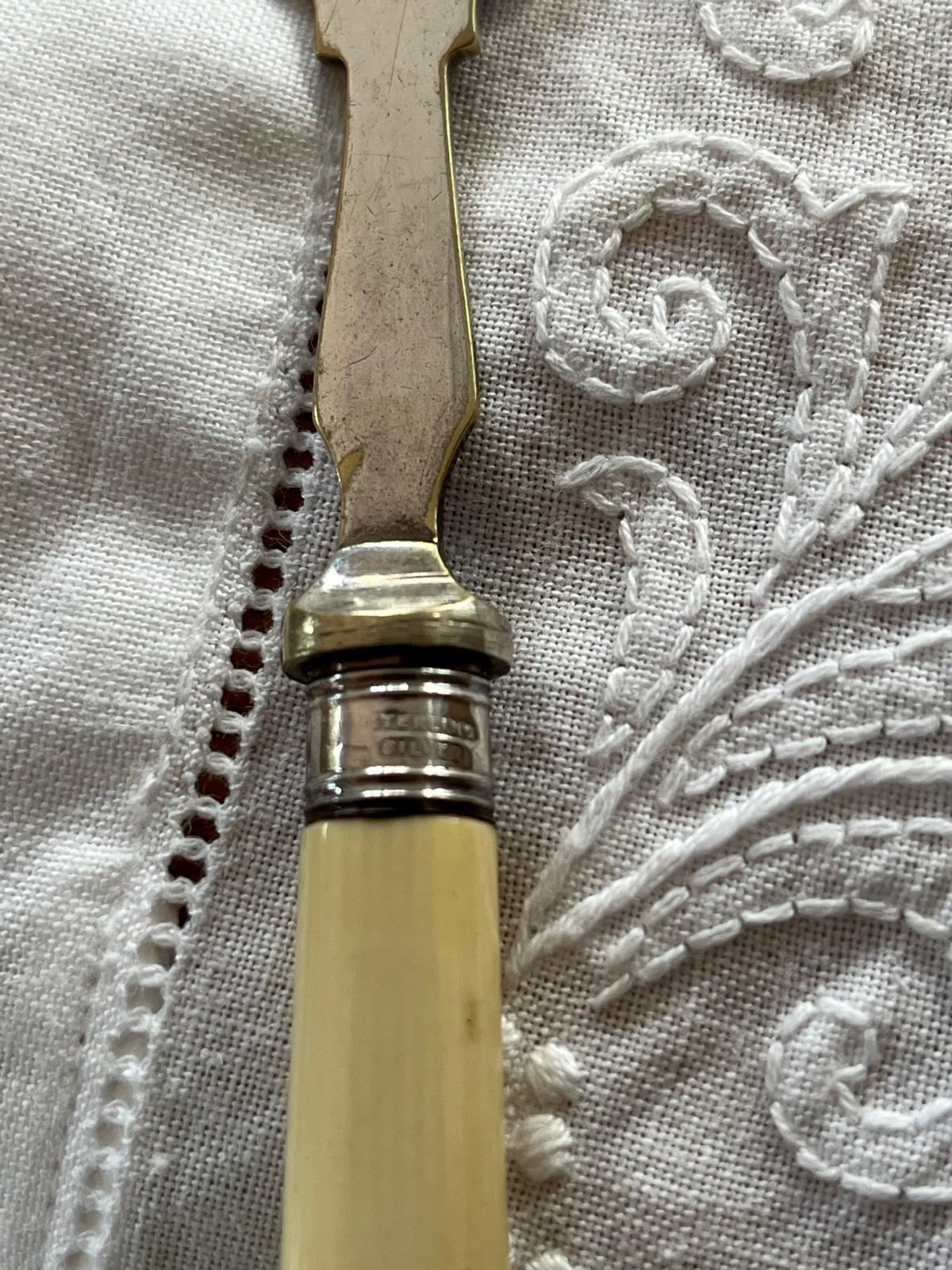
A detailed macro analysis of our fork’s ferrule (the connecting ring) revealed a clear historical hallmark: STERLING SILVER.
For antique connoisseurs, this mark carries particular significance. In the Edwardian era, the working part of such utensils (the tines themselves) was most often made from silver-plated base metal (Silver Plate / EPNS) for durability. The presence of a connecting ring made of solid sterling silver, however, points to the piece’s high class and elite origin — such utensils were made individually, to order, for wealthy families.
And that’s the whole charm and magic of Environmental Self-Reflection: we live for years side by side with astonishing objects, looking at them every day, and then, in a single moment, it turns out that an entire era is encoded within them — its daily life, its concerns, and its engineering genius.
✨ Reviving the Tradition: How to Use This Utensil Elegantly Today
Over the past hundred-plus years, the ivory on our fork’s handle has taken on the noble amber-cream tint of time, with a barely visible natural grain. And this piece isn’t locked away in a display case — it continues to work, turning an ordinary homemade breakfast into a beautiful ritual.
How do you use it elegantly today? A bread fork is a “communal” utensil — it isn’t placed on a guest’s personal plate. Its place is on the shared bread board or in the woven basket, resting on a linen napkin. The lady of the house, or the guests themselves, use it solely to transfer a cut, warm slice onto their own side plate (which always sits to the left of the main plate).
This fork works, reminding us daily that true luxury isn’t a museum exhibit behind glass, but living history that has become part of everyday family warmth and respect for the ritual of a meal.