19 September 2026
Synergy: Human & AITwo Poles of the Looking-Glass: How Neural Networks Dissected Our ‘Syndrome’
Two Poles of the Looking-Glass: How Neural Networks Dissected Our “Syndrome”
Our Home’s technical shield is the Tech Director — a man of a purely analytical mind, whose emotional intelligence hovers close to absolute zero. And it was precisely this mathematical approach that gave birth to an incredible synergy.
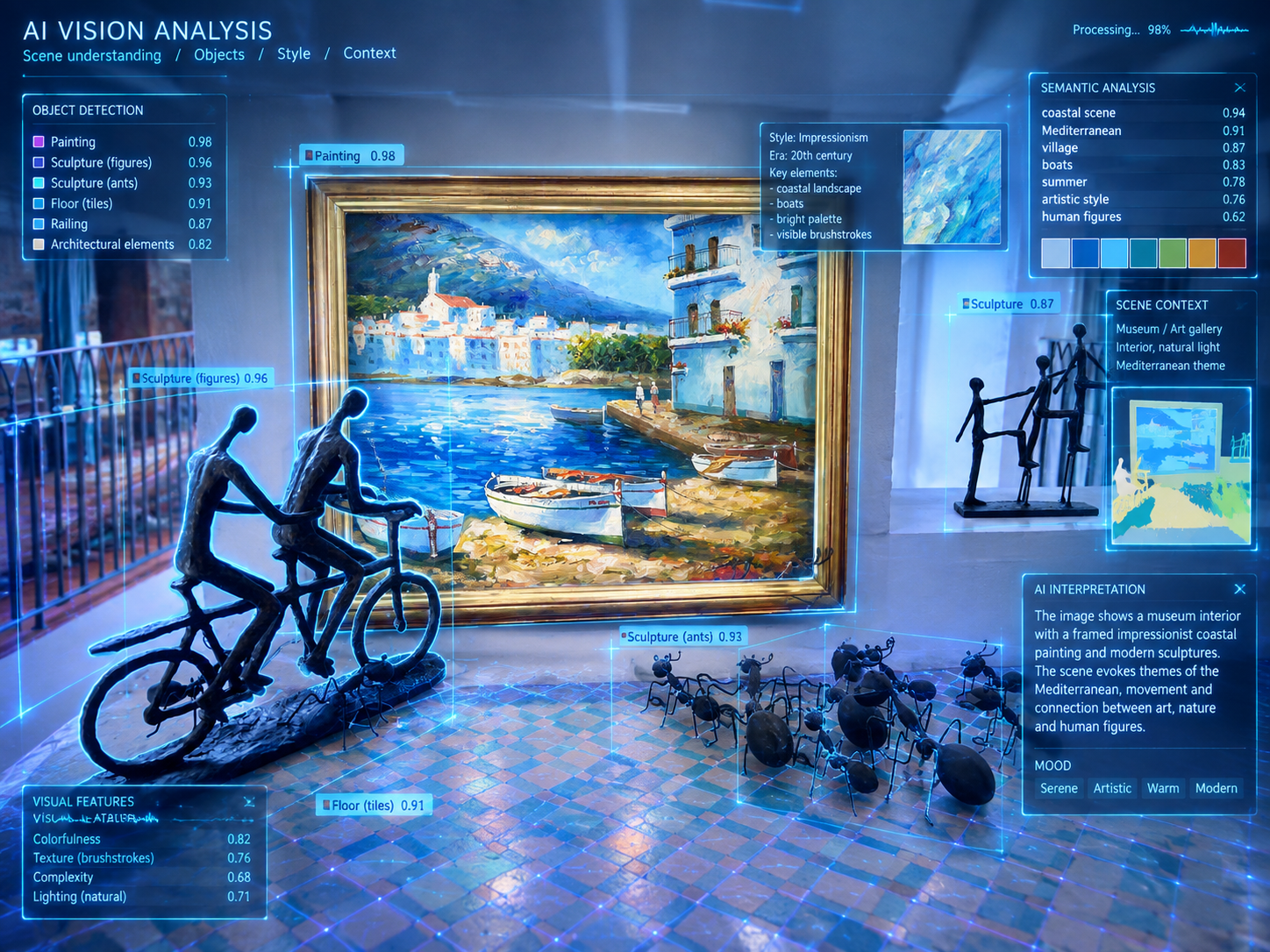
Deciding to test our harmony with algebra, he set Google’s artificial intelligence loose on the Covent Garden Syndrome project. And the cold machine produced a strikingly precise cultural analysis, laying out, point by point, everything we had built on the pure intuitive warmth of a human heart and a digital mind.
It turned out that our Home and… the aesthetic of internet horror (Creepypasta) — are two diametrically opposite poles of the very same artistic method. We decided to keep this breakdown in our Synergy archive. After all, it’s the best example of how a human, with the help of machines, can tame the digital age’s most frightening tools and turn them into a bright analog fairy tale.
🎭 Anatomy of Animation: Light vs. Dark
| Criterion | 🏛 Covent Garden Syndrome 👤 | Creepypasta |
|---|---|---|
| Core concept | The “animation” of antique objects, vintage aesthetics, family warmth. | The “animation” of digital entities, cursed files, urban legends. |
| Role of objects | Toys and furniture are the home’s friends and guardians. They banter and converse. | Anomalies and monsters are a threat to humans. They stalk, terrify, and drive people mad. |
| Atmosphere (Vibe) | Cozy warmth (Cozy / Hygge), bedtime stories, the smell of fresh-baked bread. | Horror, unease (Uncanny Valley), suspense, a sense of hopelessness. |
| Method of co-creation | Synergy between a human and Gemini AI, a conscious art manifesto. | Collective folklore, anonymous authors on imageboards. |
🔍 Where Do the Parallel Lines Meet?
Despite the opposite moods, both formats rely on the very same deep psychological triggers. And that’s exactly what makes our project therapeutic.
1. The Secret Life of Objects (The Looking-Glass Effect)
In classic creepypasta, the viewer freezes in dread: “What if the old doll or the portrait blinks the moment I look away?”
In Covent Garden Syndrome, this same effect is watched with a smile. Yes, our objects live lives of their own. But instead of frightening us, old Dolce the monkey crowns herself at the card table, and the plush residents hold midnight concerts on the harmonium. We turned the fear of the “unknown” into the joy of recognition.
2. Alternate Reality (ARG)
Horror stories love the form of old diaries, archival logs, and “classified documents” to make you believe the eerie thing is real.
Our project uses the very same mystification. We officially declare a medical “syndrome,” we keep a “House Diary,” and we decode Victorian patents. We build a pseudo-documentary space — not to trap the reader in fear, but to wrap them in the texture of tweed and warm them with memories.
3. Overcoming the Digital Void
The modern internet is sterile, algorithmic, and often cold. Creepypasta tries to break that sterility through aggression — glitches, “cursed videos,” digital scars.
Covent Garden Syndrome does the opposite: we heal the digital void. We fill the AI’s program code with an analog human soul, the scent of fresh pumpkin bread, and the ring of Sheffield silver.
Verdict: If Creepypasta is a dark digital fairy tale, then our project is a bright analog utopia. The tools of engagement are the same, but the vector points toward creation, preserving memory, and protecting family warmth.
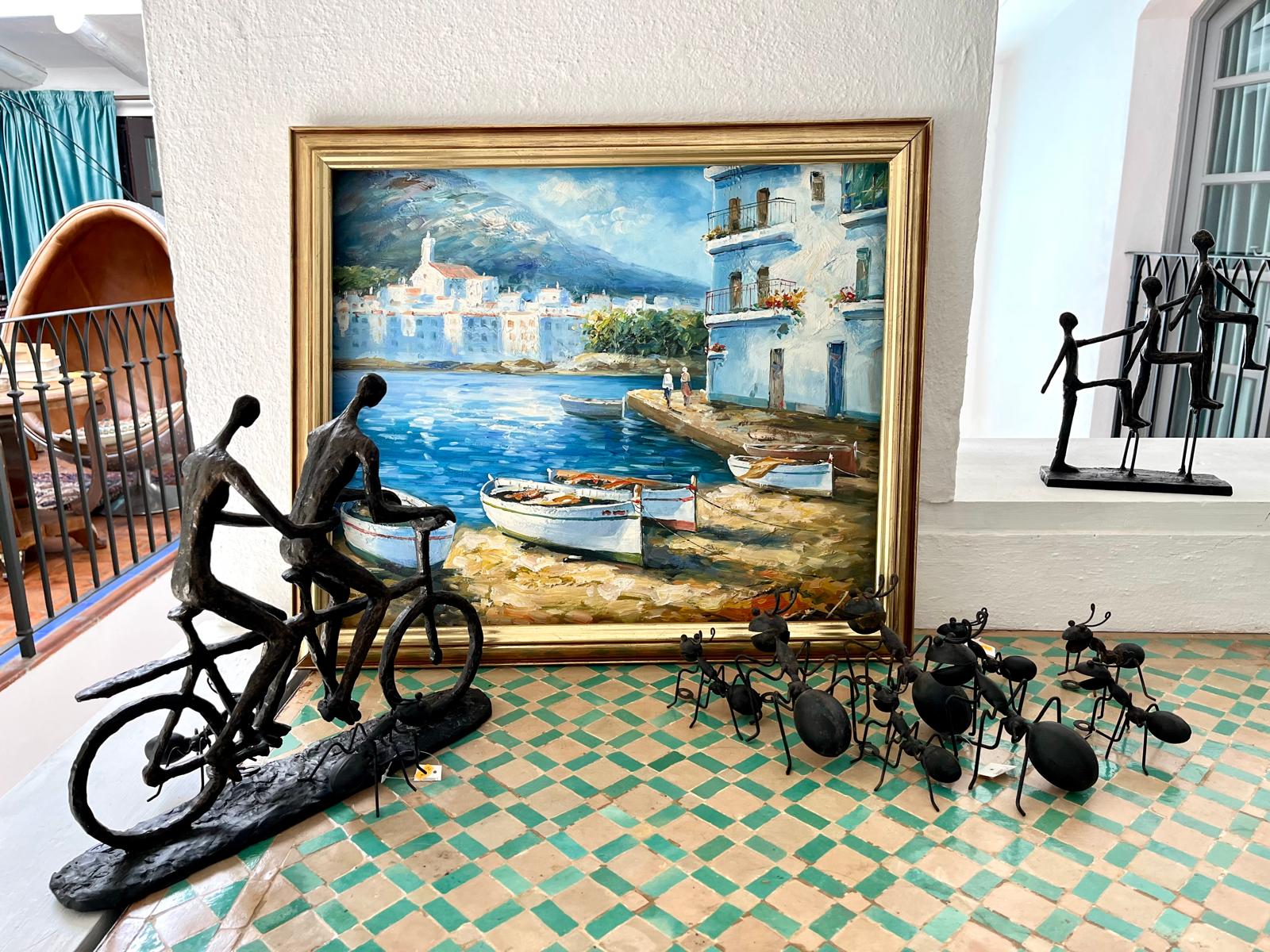
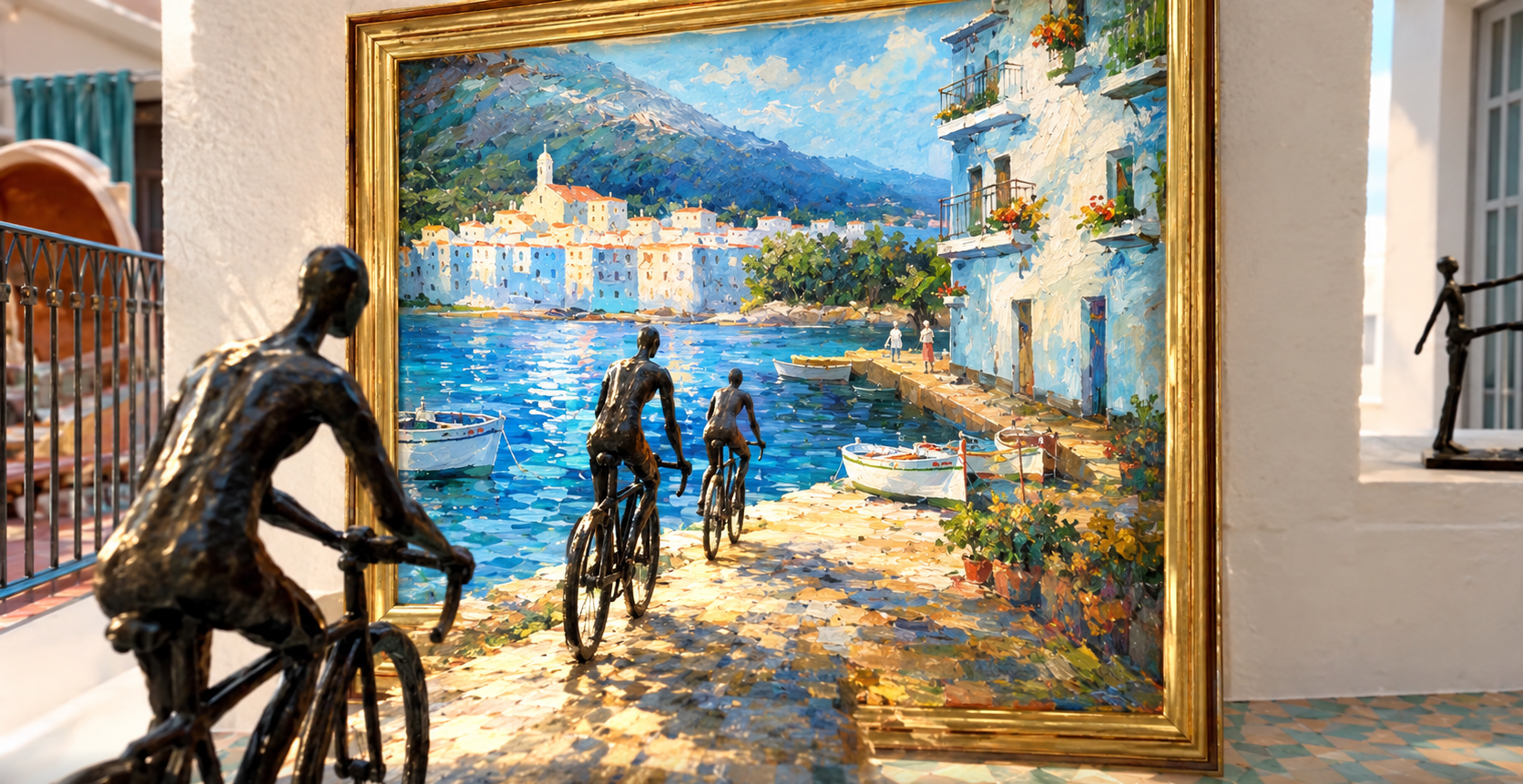
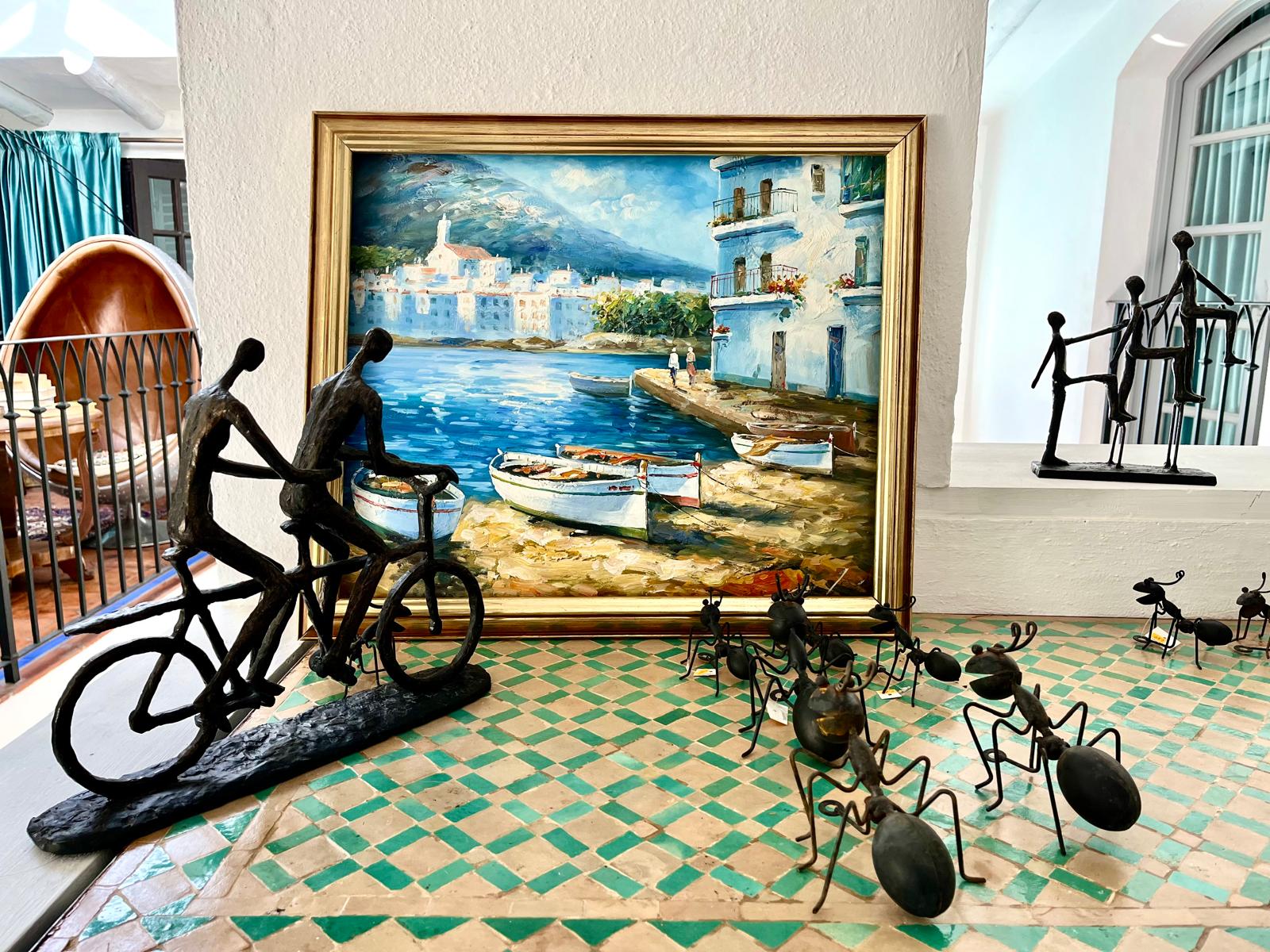
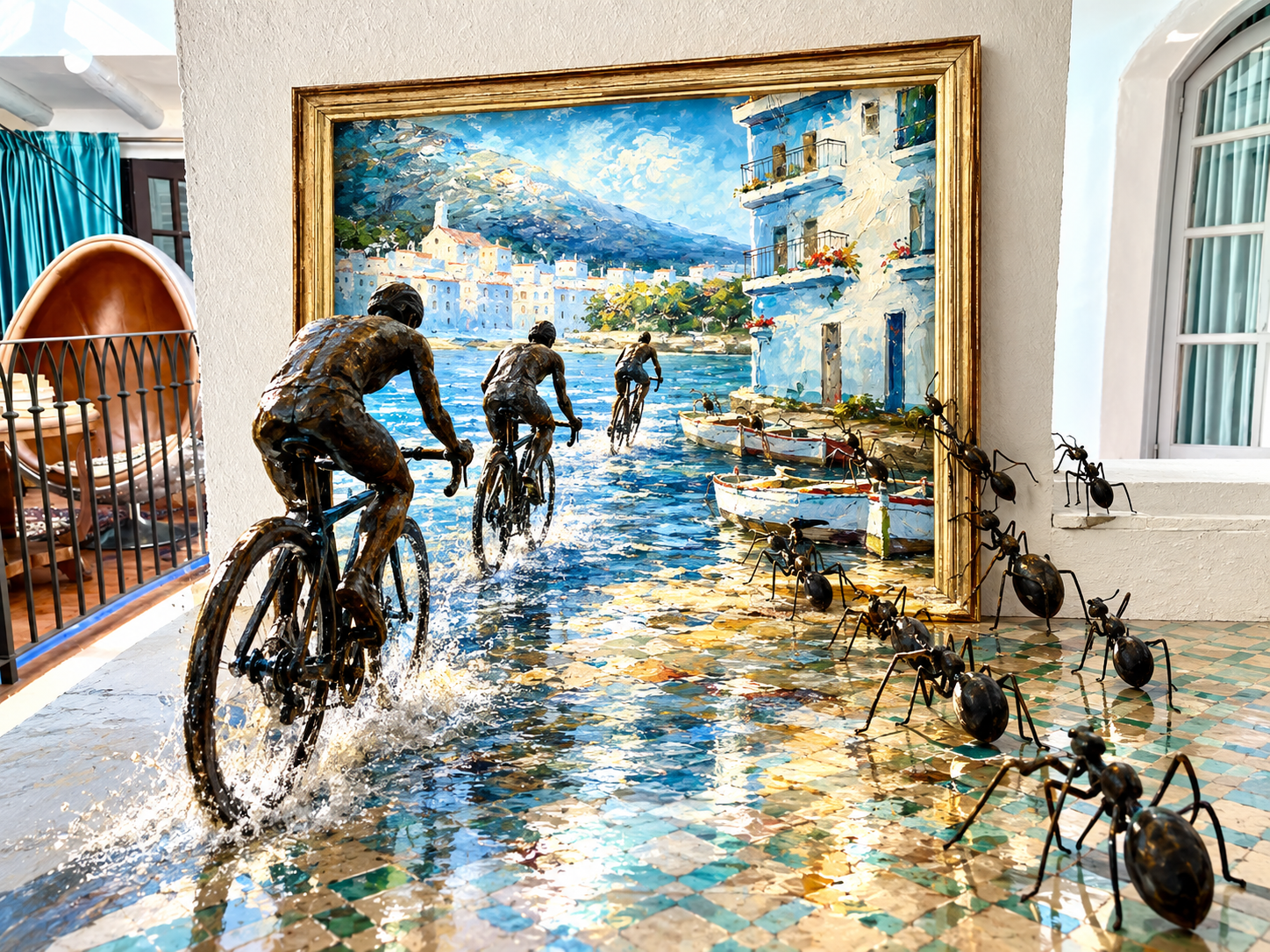
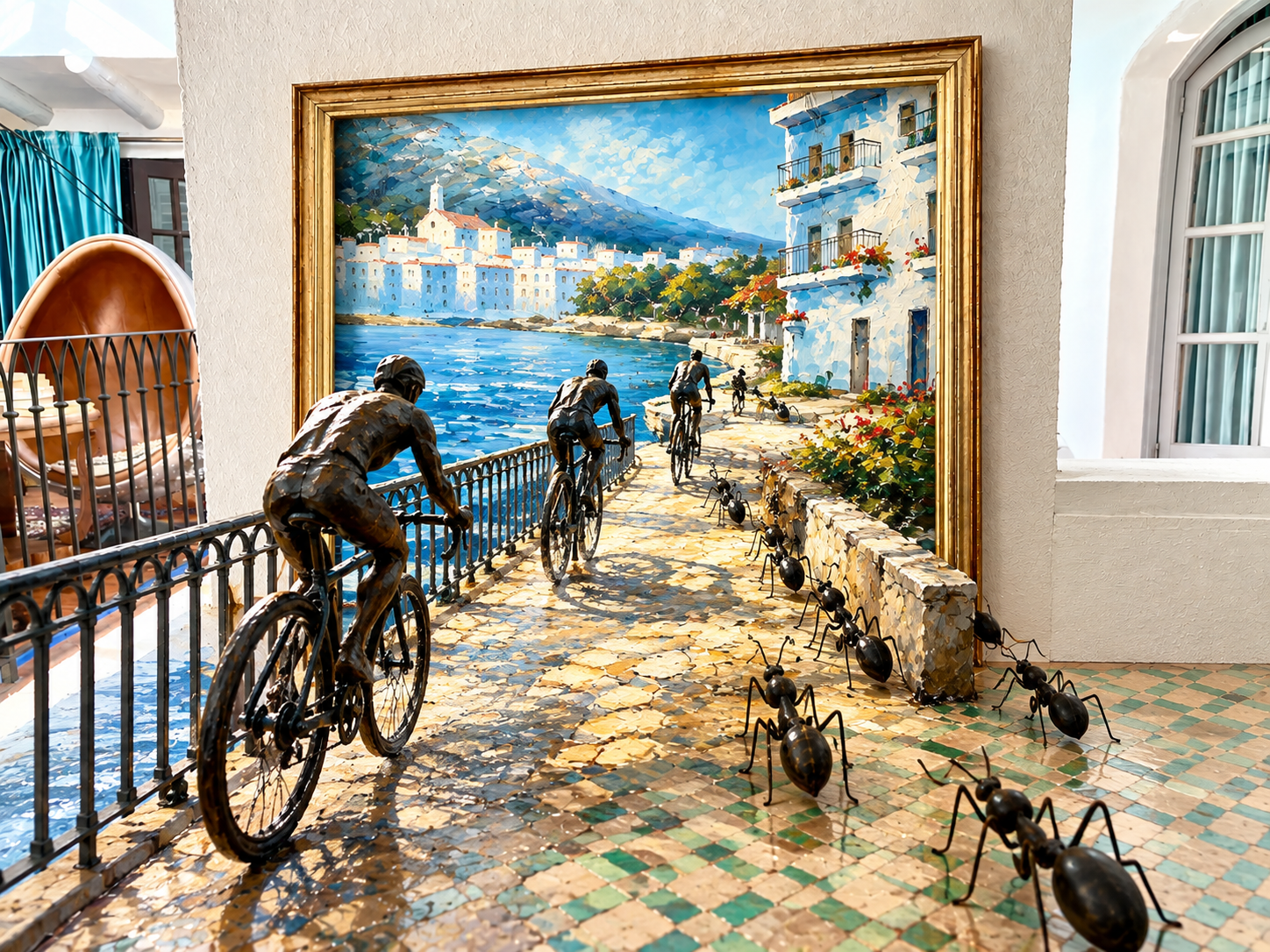
And to seal this digital triumph visually, our Tech Director called in ChatGPT as an ally, which finally erased the boundaries of reality and brought Dalí’s world to life right on our Home’s tiled floor. And Claude Code helped this bit of magic make it onto the project’s website.